Executive Summary: Freshwater Stingray Conservation in West Kalimantan
Freshwater stingrays are a unique group of rays adapted to low-salinity environments such as rivers and lakes. In Southeast Asia, species such as White-edge freshwater whipray(Fluvitrygon signifier), longnose marbled stingrays (Fluvitrygon oxyrhynchus), and giant freshwater stingray (Urogymnus Polylepis) are known to inhabit inland freshwater systems, including in Kalimantan Island, Indonesia. These species play an important ecological role as benthic predators, contributing to the balance of aquatic ecosystems (Last et al., 2016; Compagno & Cook, 1995). Despite their ecological importance, freshwater stingrays remain poorly studied compared to their marine counterparts, resulting in limited scientific understanding of their distribution, population status, and ecology (Kyne et al., 2020).
West Kalimantan, particularly the Kapuas River, provides potentially important habitat for freshwater stingrays due to its extensive and connected freshwater network (Whitten et al., 2000). However, increasing anthropogenic pressures such as overfishing and habitat degradation threaten the sustainability of these species (Dudgeon et al., 2006; Kyne et al., 2020). Despite some species being nationally protected and listed under the Convention on International Trade in Endangered Species (CITES), enforcement and monitoring remain challenging. In addition, freshwater stingrays are occasionally consumed or traded as ornamental fish, often without a lack of awareness of their conservation status.
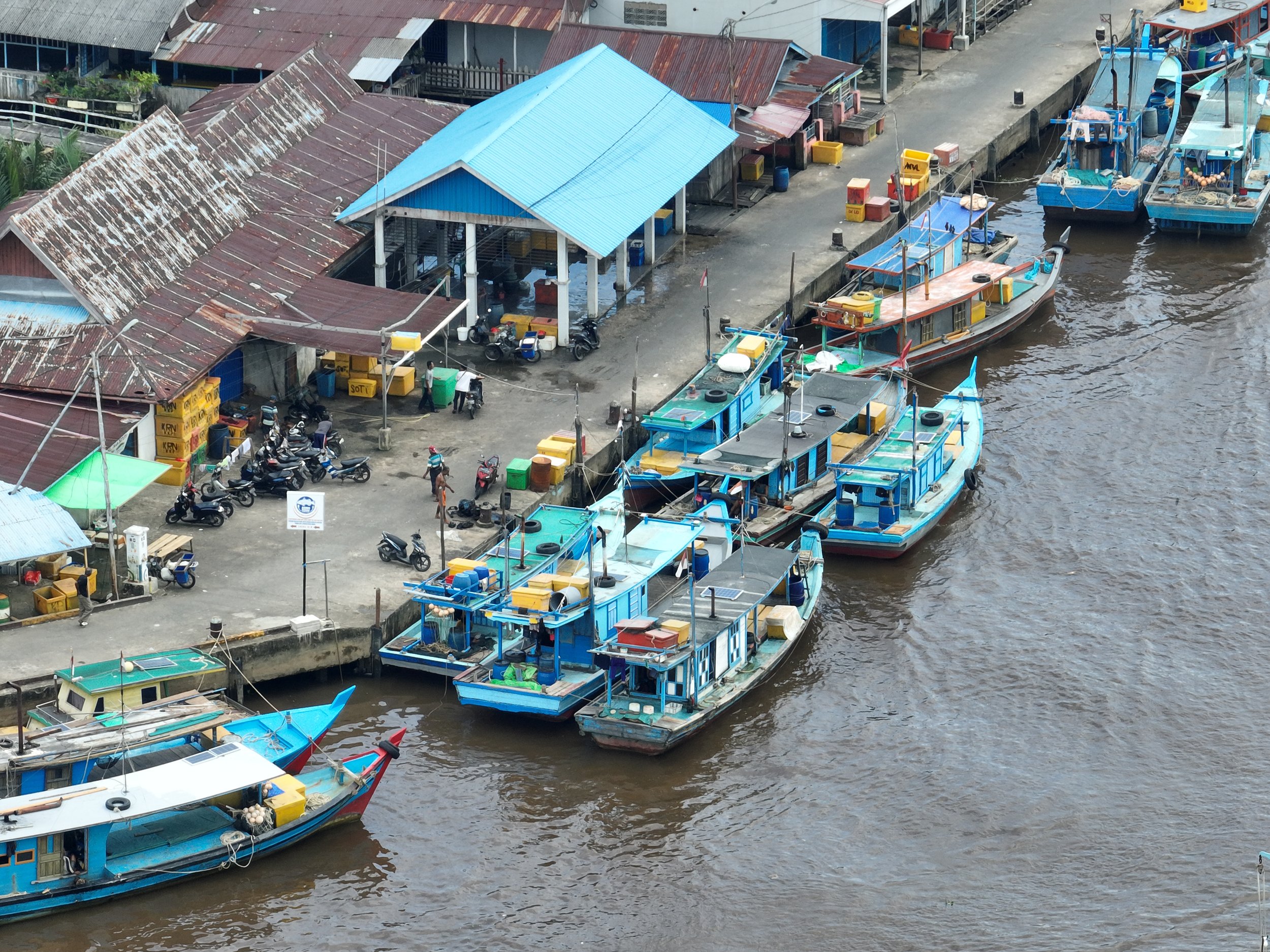
Figure 1. One of the landing sites in Kakap River, Pontianak (©Impact Blue Sea Foundation)
A major constraint to effective conservation is the limited availability of reliable, systematic data on freshwater stingrays in Indonesia. Existing knowledge is largely anecdotal or derived from historical records, constraining the development of evidence‑based management strategies. In addition, patterns of use and perceptions are strongly shaped by socio‑economic conditions and local community practices. Addressing these challenges requires an integrated approach that combines ecological research, socio‑economic analysis, and active stakeholder engagement to support sustainable conservation outcomes in West Kalimantan.
Impact Blue Sea Foundation (IBSF) is an Indonesia-based conservation organisation dedicated to safeguarding endangered aquatic species and their habitats. In West Kalimantan, IBSF focuses on the management and protection of freshwater stingrays, with two primary objectives: assessing fisheries interactions and local utilisation, and strengthening awareness to support sustainable management. The study employed a mixed-methods approach, integrating interviews, focus group discussions, participatory observation, and specimen validation. Data collection was conducted in key locations across West Kalimantan, including Pontianak, Singkawang, Sambas, and Kapuas Hulu, involving fishers, traders, and other relevant stakeholders.
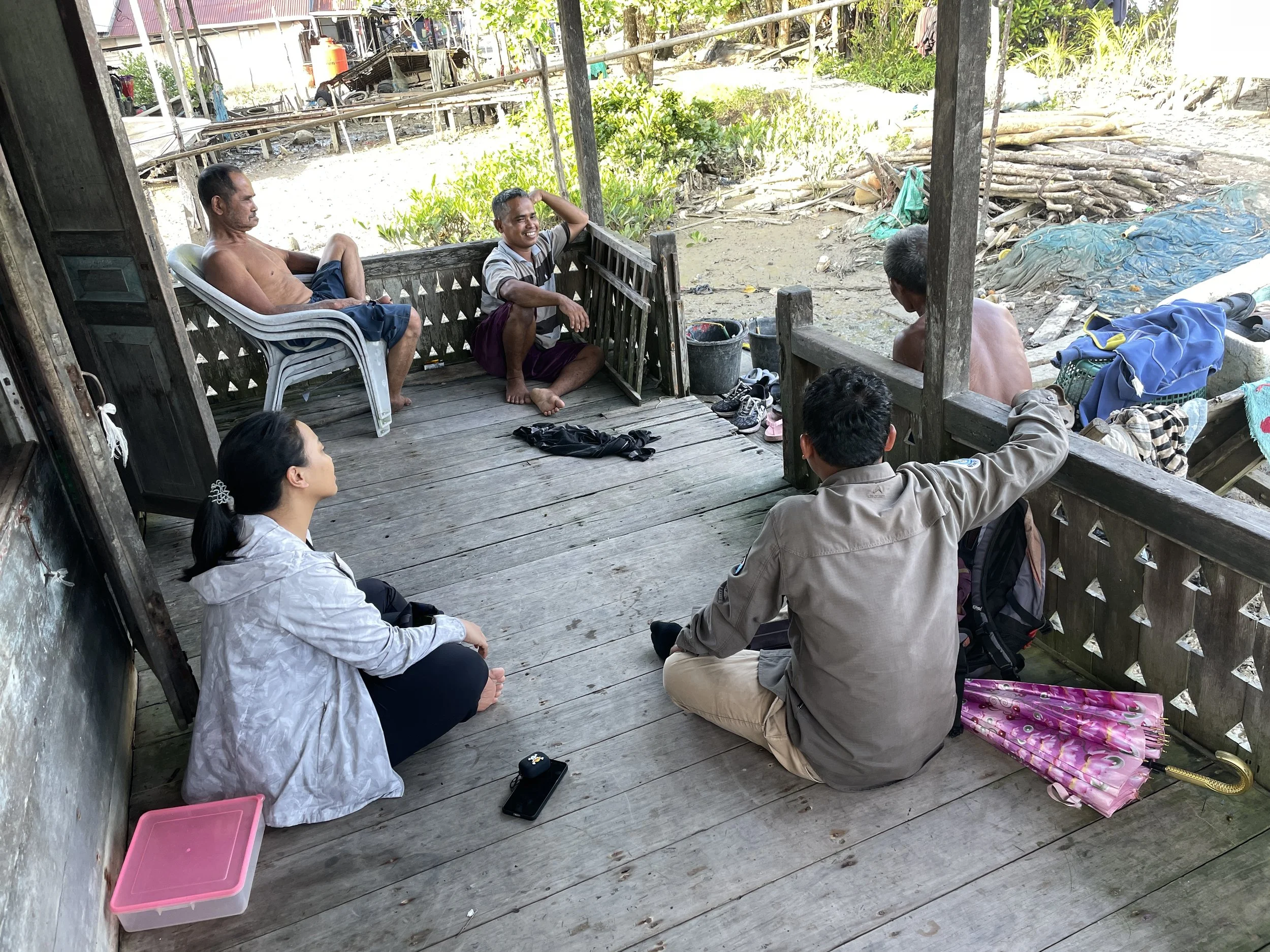
Figure 2. Interview with the fishers in Sungai Mas Village, Sambas Regency (©Impact Blue Sea Foundation)
Recent findings indicate that freshwater stingrays are infrequently encountered, particularly in coastal areas. Local ecological knowledge suggests a marked decline in sightings since the 1990s, which may now be locally extinct or extremely rare. Although not commonly consumed, these species continue to be traded in niche markets, such as the ornamental fish trade, highlighting unmonitored exploitation pathways. Overfishing, habitat degradation, pollution, and limited awareness of protection status remain key threats to freshwater stingrays.
Based on these findings, a multi-stakeholder focus group discussion involving government agencies, academic institutions, and civil society organisations confirmed strong support for advancing freshwater stingray conservation.
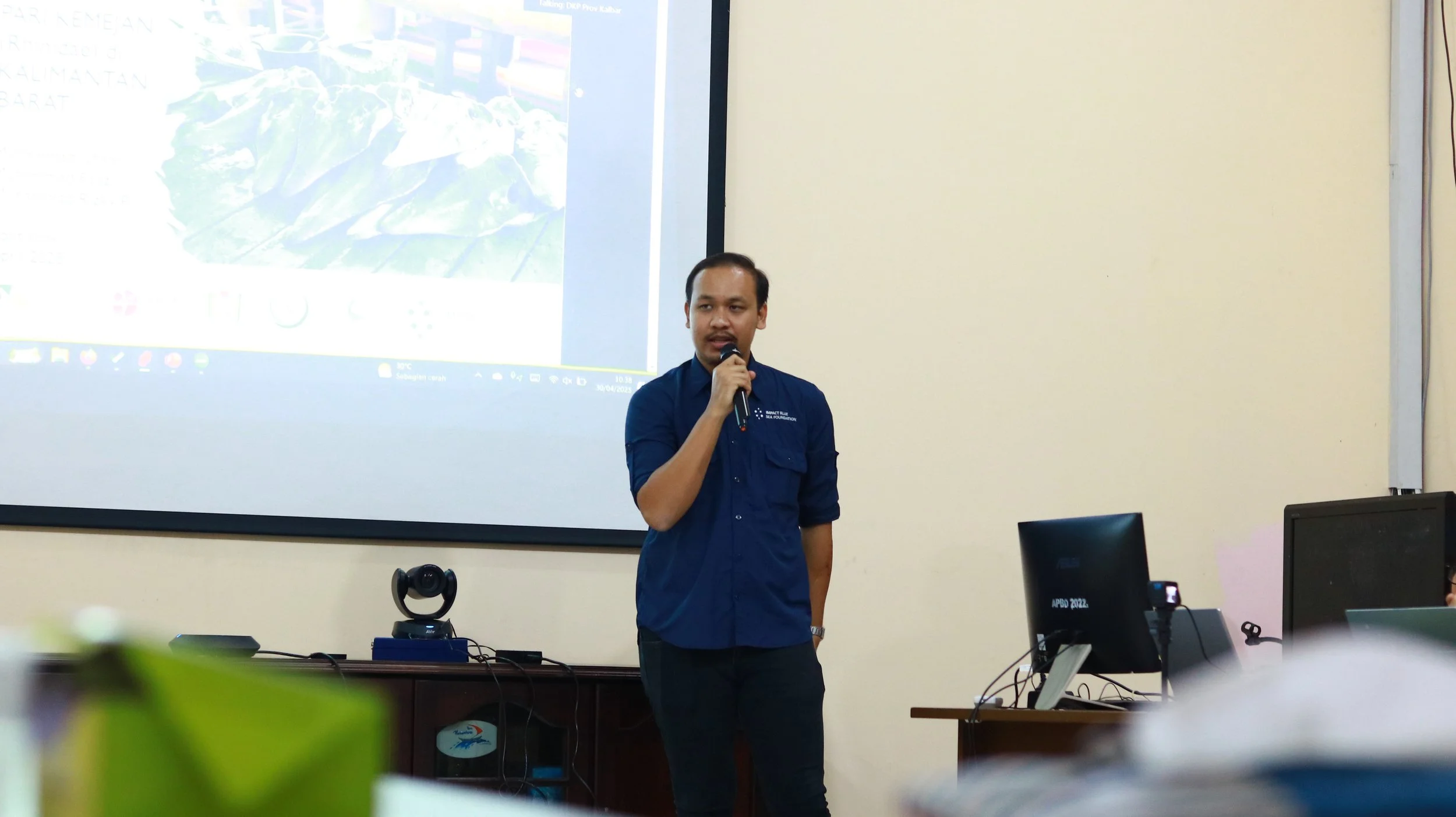
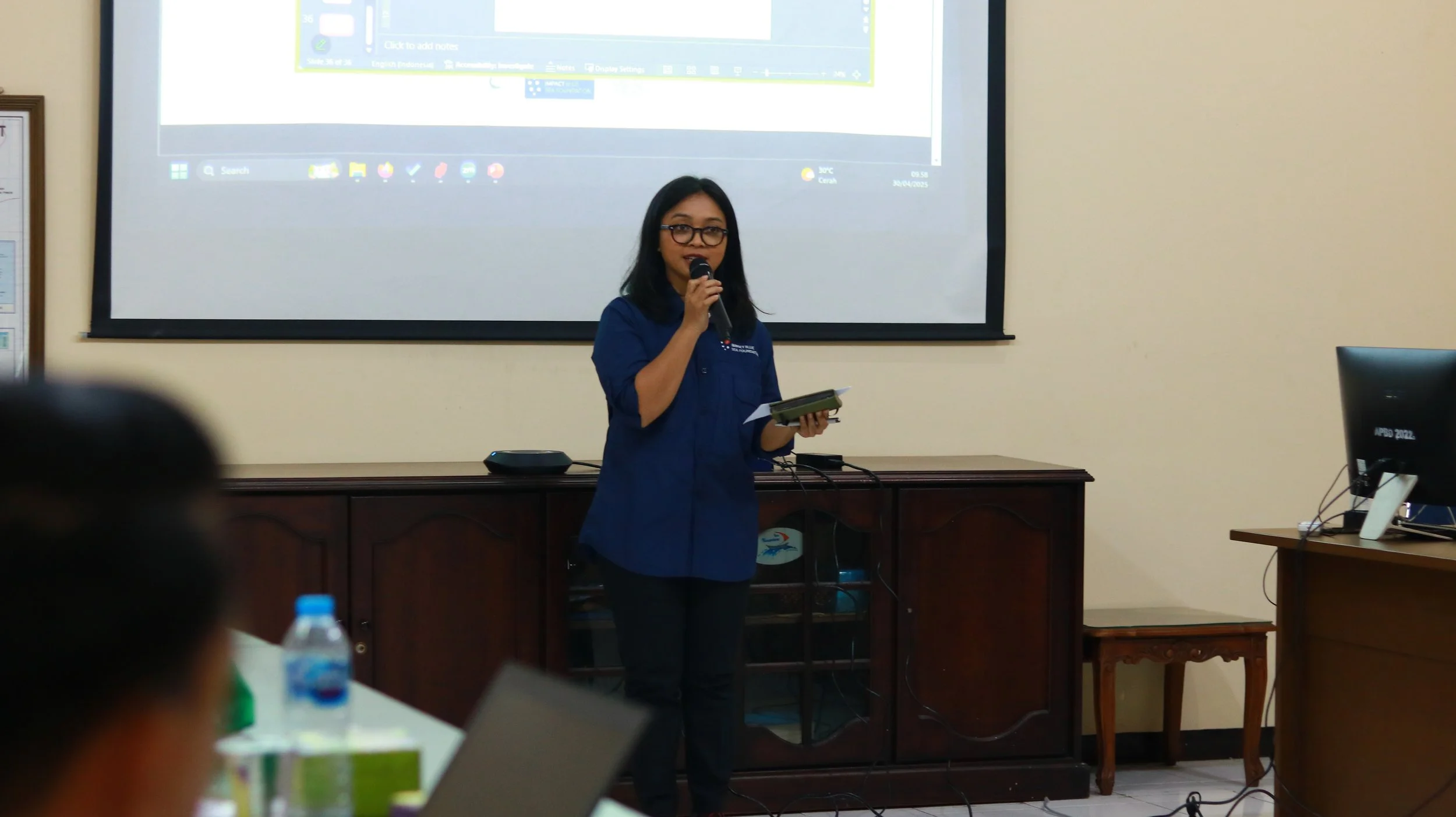
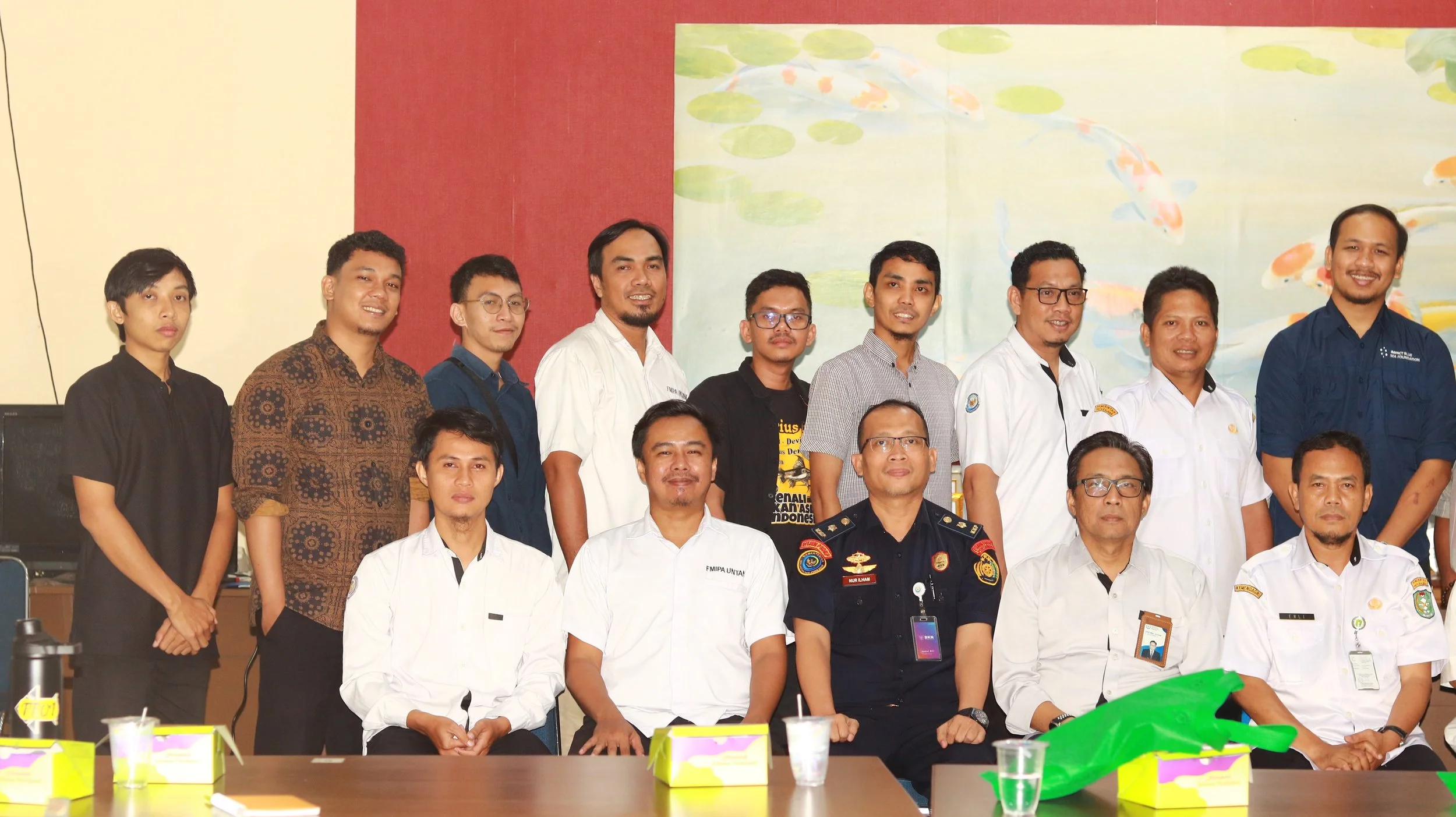
Figure 3. Focus Group Discussion (FGD) with stakeholders in Pontianak, West Kalimantan (©Impact Blue Sea Foundation)
Participants emphasised the need for improved data governance, community-based monitoring, and coherent policy coordination. Priority actions identified include: (i) establishing a centralised database on freshwater stingray species to inform research and decision-making; (ii) strengthening monitoring and regulatory oversight, particularly for non-consumptive trade; (iii) implementing targeted awareness programs for fishers and local markets; and (iv) formalising a multi-stakeholder platform to support long-term collaboration and adaptive management.
References
Compagno, L. J. V., & Cook, S. F. (1995). The exploitation and conservation of freshwater elasmobranchs: status of taxa and prospects for the future. Journal of Aquariculture and Aquatic Sciences, 7, 62–90.
Dudgeon, D., Arthington, A. H., Gessner, M. O., Kawabata, Z. I., Knowler, D. J., Lévêque, C., ... & Sullivan, C. A. (2006). Freshwater biodiversity: importance, threats, status and conservation challenges. Biological Reviews, 81(2), 163–182.
Kyne, P. M., Jabado, R. W., Rigby, C. L., Pollom, R. A., Herman, K. B., Cheok, J., ... & Dulvy, N. K. (2020). The thin edge of the wedge: extremely high extinction risk in wedgefishes and giant guitarfishes. Aquatic Conservation: Marine and Freshwater Ecosystems, 30(7), 1337–1361.
Last, P. R., White, W. T., de Carvalho, M. R., Séret, B., Stehmann, M. F., & Naylor, G. J. (Eds.). (2016). Rays of the World. CSIRO Publishing.
Whitten, T., Damanik, S. J., Anwar, J., & Hisyam, N. (2000). The ecology of Sumatra. Tuttle Publishing.